
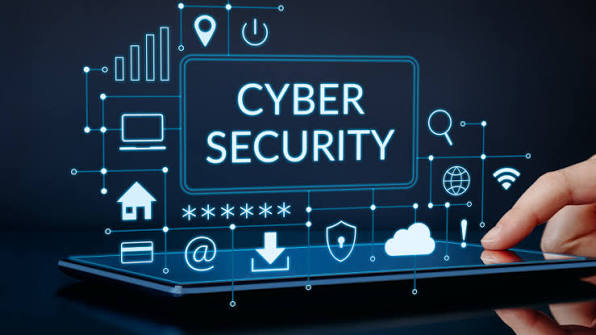
As businesses, governments, and individuals rely more heavily on digital technology, cybersecurity has become one of the most important aspects of modern life. Every day, enormous amounts of personal, financial, and business data are shared across the internet. Without proper security measures, this information can become vulnerable to cybercriminals. Strong cybersecurity practices help protect sensitive data, maintain customer trust, and ensure the safe operation of digital systems.
Why Cybersecurity Matters
Cybersecurity involves protecting computers, networks, mobile devices, and online accounts from unauthorized access, malware, phishing attacks, ransomware, and data breaches. As cyber threats continue to evolve, organizations must adopt proactive security measures rather than reacting after an attack occurs.
A successful cyberattack can result in financial losses, damaged reputations, legal consequences, and operational disruptions. Investing in cybersecurity reduces these risks while supporting long-term digital resilience.
Common Cyber Threats
Understanding the most common cyber threats helps individuals and businesses stay prepared. Some of the most widespread threats include:
- Phishing attacks, where attackers attempt to steal sensitive information through deceptive emails or websites.
- Ransomware, which encrypts important files and demands payment for their release.
- Malware, including viruses and spyware that can damage systems or steal information.
- Password attacks, where weak or reused passwords allow unauthorized access to accounts.
Awareness of these threats is the first step toward building stronger digital security.
Readers interested in technology trends, online innovation, and digital business insights can also explore NetlyWorth at https://netlyworth.com/, where informative articles cover a variety of technology-related topics.
The Role of Strong Security Practices
Effective cybersecurity begins with simple but essential habits. Businesses and individuals should use strong, unique passwords for every account, enable multi-factor authentication (MFA), regularly update software, and back up important data.
Employee training is equally important. Many security breaches occur because users unknowingly click malicious links or download harmful attachments. Regular cybersecurity awareness programs can significantly reduce these risks.
Protecting Business Operations
For businesses, cybersecurity is no longer just an IT responsibility—it is a strategic priority. Secure networks, encrypted communications, access controls, and continuous system monitoring help protect valuable business information and customer data.
Organizations that demonstrate a commitment to cybersecurity also strengthen customer confidence, which has become a significant competitive advantage in today’s digital economy.
Readers who enjoy exploring internet culture, digital platforms, technology updates, and online trends can also visit InternetChicksWorth at https://internetchicksworth.com/, which regularly publishes engaging content across multiple technology and digital lifestyle topics.
Emerging Technologies in Cybersecurity
Artificial intelligence and machine learning are transforming cybersecurity by detecting unusual activity and identifying potential threats more quickly than traditional methods. Automated monitoring systems can analyze large volumes of data in real time, helping organizations respond faster to emerging risks.
As cyber threats become increasingly sophisticated, advanced security technologies will continue to play an important role in protecting digital infrastructure.
Building a Security-First Culture
Technology alone cannot eliminate cyber risks. Organizations should encourage a security-first mindset where employees understand their role in protecting company information. Regular security training, clear policies, and ongoing risk assessments help create a stronger defense against evolving cyber threats.
Cybersecurity is most effective when it becomes part of everyday business operations rather than an occasional consideration.
Conclusion
Cybersecurity is essential in today’s digital world because it protects sensitive information, supports business continuity, and strengthens trust between organizations and their customers. By understanding common cyber threats, adopting strong security practices, investing in modern technologies, and promoting cybersecurity awareness, individuals and businesses can better protect themselves against increasingly complex digital risks. As technology continues to evolve, maintaining strong cybersecurity will remain a critical component of long-term success.